Guide 10 · 5 min read · November 2026
Renovating a home in Istria, Croatia from the UAE
Owning a home in Istria, Croatia and living in the UAE? How to plan and manage a renovation on the Adriatic from abroad.
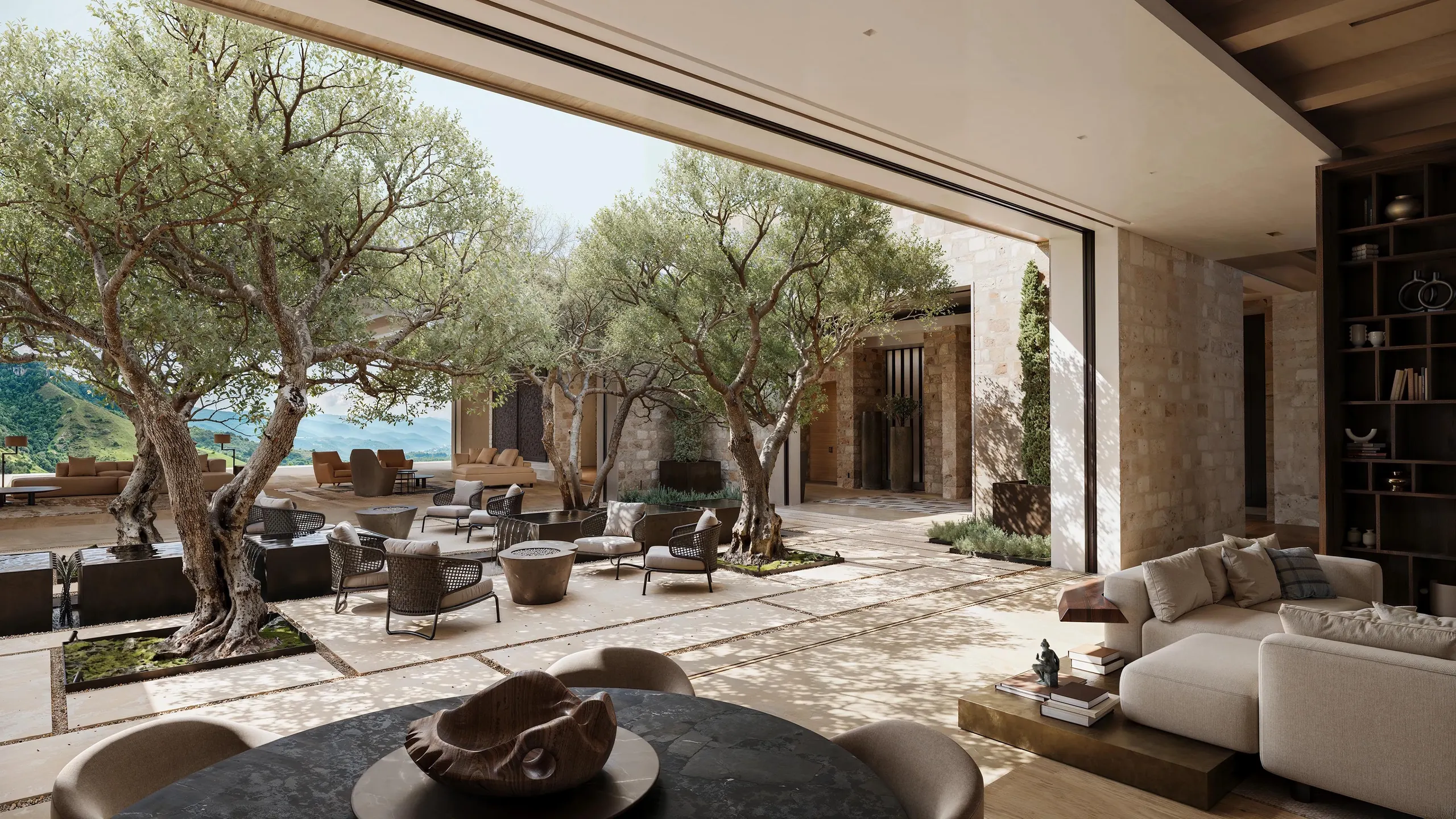
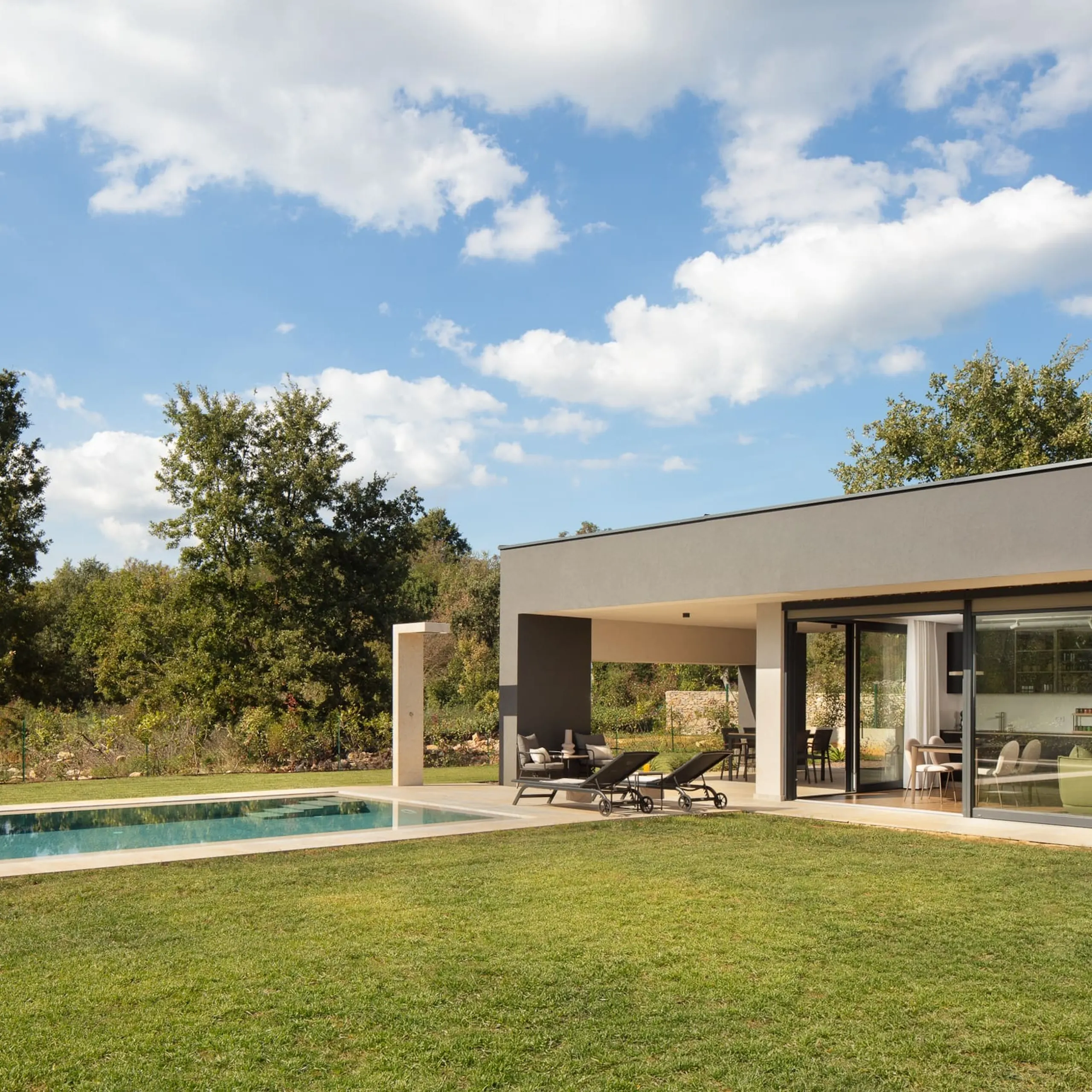
Istria, Croatia has become a favourite for owners who want a second home on the Adriatic: hills of olive groves and vineyards, stone villages, and a coastline that is quiet compared with the Gulf's cities. Many of those owners live in the UAE. Renovating a stone house or villa in Istria, Croatia from Dubai is very achievable, with the right preparation. This guide covers what is different from a project in the UAE and what stays exactly the same.
Start by respecting the building
Many Istrian homes are built in local stone, with thick walls, small openings and a character that is the reason people buy them. These buildings were made to stay cool in summer and sheltered in winter, using methods that are very different from a modern concrete villa in Dubai.
A good renovation works with that character rather than against it. That means understanding how the walls handle moisture, keeping what makes the house special and bringing it up to modern standards of comfort, insulation, heating and services without losing its identity. A house that has been renovated well should look as if it has always belonged where it is.
Moisture, heating and comfort
Owners used to the UAE are often surprised by how different the climate is. Winters in Istria, Croatia are cool and damp, and old stone houses can suffer from moisture if they are not treated carefully. Heating matters in a way it does not in Dubai, and so do insulation, ventilation and drainage around the building.
Get a proper survey of damp, structure and the roof before you decide what to do. Materials used inside and out should allow old walls to breathe where appropriate, and heating systems should be chosen for comfort and efficiency in a cold season, not just for summer.
Plan around the seasons
The calendar works differently on the Adriatic. Coastal areas are busy in summer, and in some municipalities there may be limits on construction work during the tourist season. This varies from place to place, so always confirm what applies in your area. Where such rules exist, a realistic programme uses the cooler months, which are also better for many types of external work.
Think about when you want to use the house. If you hope to enjoy it next summer, the work will need to start in good time, with the long-lead items ordered early.
Permits and local rules
Croatia has its own permit system, and requirements depend on what you are doing. Works that change the structure, the external appearance or the use of a building usually need formal approval, and older settlements or protected areas can have additional rules about materials, colours and details. Even where works seem minor, it is wise to check before you begin.
As in Dubai, the key is to identify every approval at the start, build the time into the programme and make sure the drawings are clear and consistent. Local knowledge matters here, which is why a team that works in both countries is valuable.
Managing it from the UAE
The same principles that make a remote project work in Dubai apply in Istria, Croatia:
- Daily updates with photographs, so you always know where the project stands.
- One point of contact who knows the project in detail, reachable across time zones.
- A decision schedule, so choices reach you in good time and nothing waits for you.
- Video walk-throughs from the site at agreed times.
- Clear documentation of costs, payments and changes.
Istria, Croatia is only a short flight from the Gulf with the right connections, and many owners combine a site visit with a holiday. But the project should not depend on your being there. If it does, something is wrong with how it is managed.
Materials, craft and supply
Istria, Croatia has a strong tradition of stone, timber and traditional building skills, and good local craftspeople are an asset. Specialist trades such as stonemasons, carpenters and roofers may have their own schedules and lead times, so book them early. Local materials usually suit the house best, and they often look more natural than imported alternatives.
If you plan to bring in items from elsewhere, for example furniture, fixtures or finishes, check delivery times and any import requirements well ahead.
Language, contracts and money
Working in another country brings practical questions. Contracts should be clear and in a language you understand, and all agreements should be in writing. Think about how payments will be made, in which currency and on what basis, and be careful to link payments to progress. Local taxes and fees apply, and it is wise to take advice on those in your own situation.
A project manager who speaks the local language, understands the market and can explain everything in plain terms saves a great deal of stress.
A fixed scope applies everywhere
The discipline that protects owners in Dubai protects them in Istria, Croatia too. Scope, cost and programme should be agreed together before work begins, and any change should be explained, costed and approved by you before it goes ahead. A project in another country is exactly where you least want surprises.
Handing over a home in Croatia
A thorough snagging inspection matters even more when you are not nearby to spot problems yourself. Insist on a room-by-room inspection, a complete record of what has been installed and all the warranties, manuals and drawings. Consider arrangements for the house when you are away: who looks after it, how it is secured and how problems are reported.
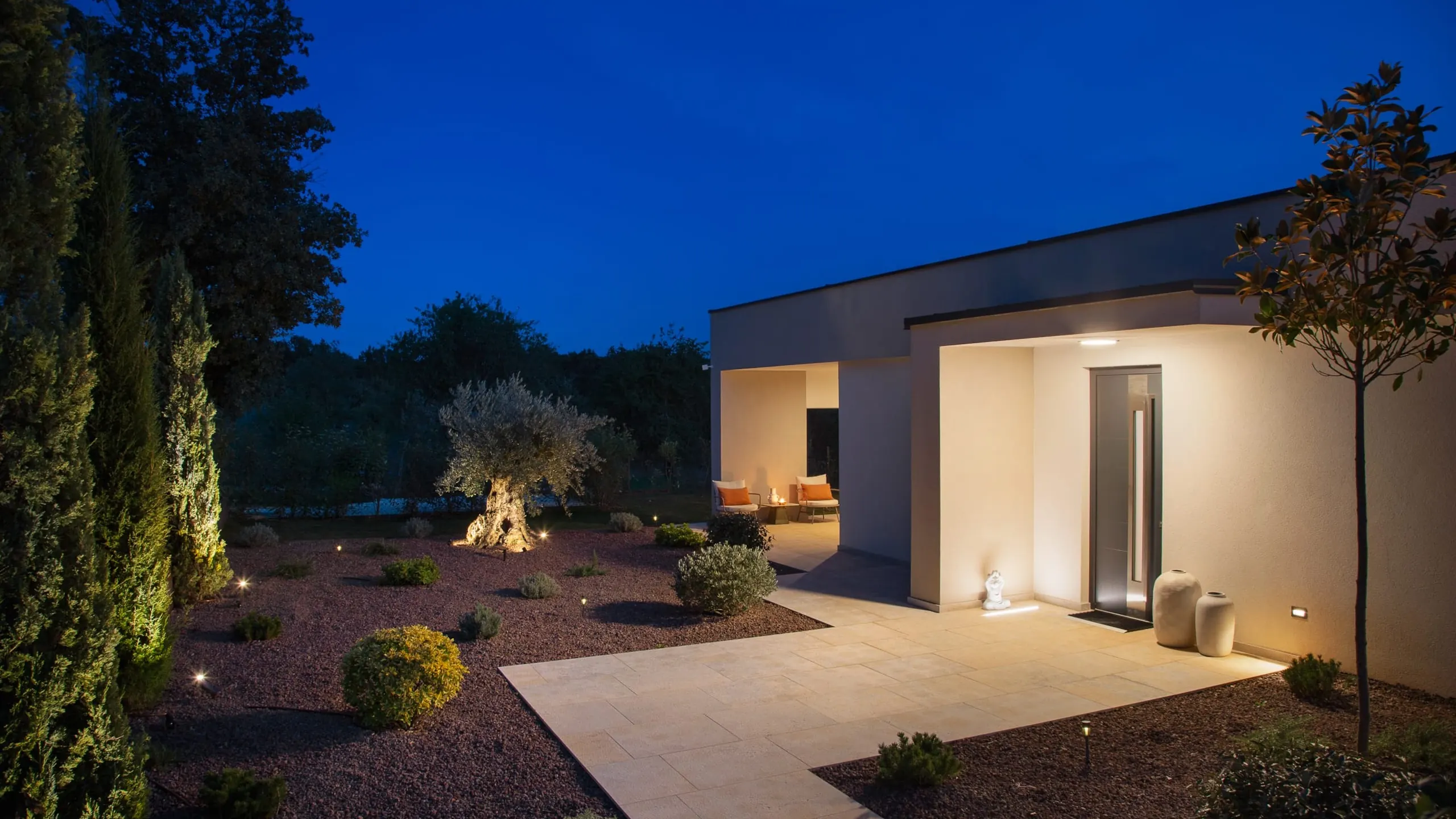
One team, two countries
Our founders bring more than fifteen years of experience in the UAE and more than ten years in Europe, with projects delivered in Dubai and in Istria, Croatia. That means the same standards, the same process and the same people whether your home is in the Gulf or on the Adriatic.
Planning a project in Croatia and living in the UAE? Tell us about your home in Istria, Croatia.
SS & Partners
Fitout and project management for villas and workplaces in the UAE and Croatia. One team from the first conversation to handover.
Talk to us about your projectKeep reading